
Gold Metal Detector in Madhya Pradesh
If you’re looking to explore one of India’s richest terrains for gold prospecting, then the central Indian state of Madhya Pradesh offers a remarkable opportunity. In this blog, we will dive deep into why gold metal detecting in Madhya Pradesh makes sense, what specific conditions you’ll face, and how a high-end detector from Minelab can help you get results. We’ll also cover essential tips, legal considerations, site selection, equipment features, and a conclusion to wrap up everything
Why Choose Madhya Pradesh for Gold Metal Detecting?
Rich geological background
Madhya Pradesh holds large swathes of mineral-rich terrain thanks to its location in the Indian shield region. The state is traversed by ancient rock formations, greenstone belts, and has a history of gold occurrences in small veins and alluvial deposits. These geological settings make it viable for nugget hunting or metal detecting for gold and relics.
Diverse terrains to explore
From riverbanks like those of the Narmada and Betwa to hilly terrains in the Satpura Range, there is a wide variety of ground types. Some areas may be highly mineralised, which increases the challenge—and also the reward—for prospecting. The variety means that depth, coil size, discrimination and ground-balance features become especially important.
Emerging hobbyist and semi-professional interest
Metal detecting as a hobby or semi-professional pursuit is gaining traction in India, and particularly in central India where large open acres often go unexplored. With increased awareness and improved equipment, many are turning to sophisticated detectors rather than basic ones. With the right machine and approach, your prospector efforts can be more fruitful.
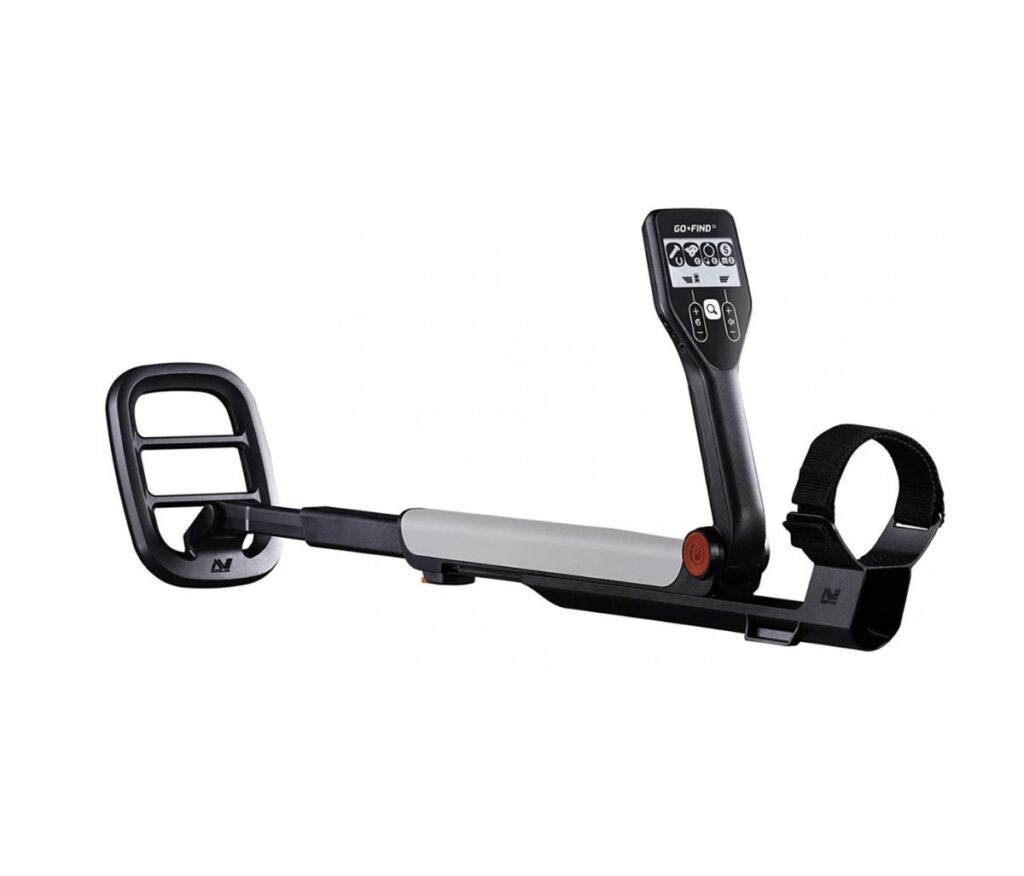
Key Considerations before You Begin in Madhya Pradesh
Legal and regulatory environment
Before you take your equipment out into the field, be sure you understand the local rules:
Prospecting for gold via metal detector is not the same as full-scale mining, but you still need to check whether the land is government owned, reserved forest, heritage site, or protected.
Permissions may be required if you’re going onto private or government land; always respect access rights and local communities.
Any significant discovery, especially commercial quantities, may be subject to state regulations.
Ensure you abide by environmental norms: no damage to vegetation, reputable digging practices, and proper filling of holes afterwards.
Terrain & ground mineralisation
In Madhya Pradesh you will encounter areas with high mineral content (iron nodules, black sand, sulphides) which can interfere with detection. A detector that offers advanced ground-balancing and mineralisation filters will serve you better in such environments.
Depth vs. sensitivity trade-off
Finding gold nuggets or small gold pieces requires sensitivity to fine targets; however heavy mineralisation tends to mask signals and reduce effective depth. Your equipment must strike a balance: deep enough to reach targets, yet sensitive enough for smaller pieces.
Coil size, search strategy and patience
Smaller coils often give better discrimination in mineralised ground and are more manageable in dense vegetation or uneven terrain. Large coils cover more area quickly but may tolerate mineralisation less well. Plan your search by dividing the land into manageable zones, sweep systematically, and revisit promising spots.
How to Choose the Right Detector for Madhya Pradesh Conditions
Here’s a checklist tailored to the specific conditions in Madhya Pradesh:
Ground Balance Capability: Choose a detector that can adjust to highly mineralised ground (especially near old riverbeds).
Frequency / Multi-Frequency: For gold detecting you may prefer higher frequency (for small gold) or multi-frequency (to adapt to all terrain).
Coil Options: A smaller coil (~8–10 inch) helps in mineralised ground and rough terrain; a larger coil helps sweep area faster.
Depth vs Discrimination: In alluvial zones near rivers you want deeper reach; in surface/historical zones you want good discrimination of small targets.
Portability & Terrain Suitability: Madhya Pradesh terrain may include forest patches, rugged hills—choose a detector you can carry comfortably.
Support & Accessories Available in India: Choosing a recognised brand like Minelab ensures coils, spares, batteries and service are easier to obtain locally.
Waterproofing (if needed): If you plan to search near riverbanks or wet ground you might choose a model with greater waterproof depth or at least waterproof coil.
Site Selection – Where to Hunt in Madhya Pradesh
Riverbanks & Alluvial Zones
The deposits near riverbanks—such as near the Narmada River, Betwa River or smaller tributaries—are promising for small gold flakes or nuggets carried downstream over time. Look for bends, old riverbeds, gravel bars, or places where the flow has slowed. These spots tend to accumulate heavier particles like gold.
Old Mining & Prospecting Areas
Madhya Pradesh also has historic gold and mineral exploration in certain belts. While large-scale mining may not be ongoing, old spoil heaps, tailings, erosional slopes and abandoned diggings can still host gold or relics. These are worth investigating, with permission of course.
Forest & Hilly Terrains
The Satpura Range and other forested hilly terrains can hide pockets of gold veins or sub-surface deposits. In such zones you might walk more slowly, sweep carefully, and expect more mineralisation. Patience is key.
Historical / Cultural Sites
Some areas may have archaeological or heritage value; you may recover old jewellery, coins or relics rather than pure gold. Note: for heritage zones you must be extra careful about legal permissions and local laws.
Final Thoughts & Conclusion
Prospecting for gold in Madhya Pradesh is an exciting endeavour. The geological settings, diversity of terrain, and growing community interest make it a compelling choice. But success is not guaranteed by location alone — the right equipment, good planning, ethical practices and perseverance are vital.
By choosing a brand like Minelab, you position yourself with a toolset that is globally respected and locally supported in India. You’ll benefit from advanced detection technology, versatility across terrain types, and better long-term performance.