
Best Metal Detectors for Underground Searches 2026
The thrill of discovery never gets old. Whether you’re searching for lost treasures, historical artefacts, gold nuggets, or hidden relics, having the right metal detector can make all the difference. In 2026, technology continues to evolve, bringing sophisticated features that make underground searches more precise, deeper, and more rewarding than ever before. In this blog, we’ll explore the best metal detectors for underground searches, focusing exclusively on the renowned Minelab lineup.
From beginner models to advanced professional systems, this guide covers performance, features, usability, and everything you need to know before investing in your next detector. If you want the best metal detectors for underground treasure hunting in 2026, this blog is your go-to resource.
Why Choose Minelab for Underground Metal Detecting?
When it comes to metal detecting, brand reliability and innovation matter. Minelab has a long-standing reputation for creating detectors that deliver exceptional performance across different terrains and targets. Whether you’re a hobbyist or a serious prospector, Minelab metal detectors are engineered for quality.
Here’s why Minelab stands out in 2026:
Cutting-edge technology that enhances target detection
Superior depth performance even in challenging soils
User-friendly interfaces for both beginners and pros
Exceptional target discrimination to minimize false signals
Durability and build quality for long-term use
This blog covers top Minelab models that excel in underground searches — from relic hunting and coin finds to gold prospecting.
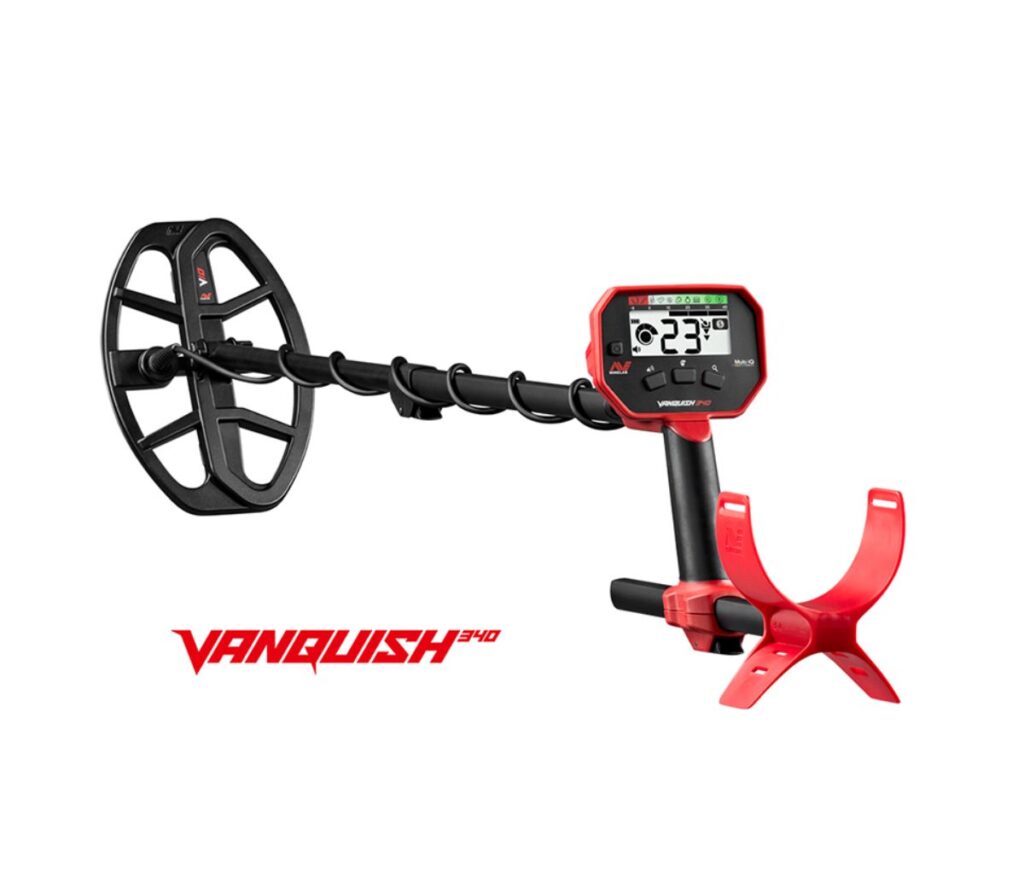
How to Choose the Best Metal Detector for Underground Searches
Before jumping into the best models, let’s look at the criteria you should consider when choosing a detector:
1. Target Depth
Deeper detection increases the chances of finding valuable targets buried below the surface. A good metal detector should offer consistent performance at greater depths.
2. Target Identification and Discrimination
Metal detectors must distinguish between valuable finds and trash targets like bottle caps or aluminum foil. Strong discrimination helps in accurate target recognition.
3. Terrain Compatibility
Different environments — such as mineralized soil, saltwater beaches, or rocky ground — can affect performance. Choose detectors that cope well with the terrains you plan to explore.
4. Sensitivity and Frequency
Higher frequencies are better for small targets, while lower frequencies penetrate deeper. Some modern detectors offer multi-frequency capabilities for versatility.
5. Ease of Use
User-friendly controls, intuitive menus, and clear displays make a detector easier to handle, especially for beginners.
Key Technologies That Set Minelab Apart
Minelab detectors are known for unique technologies that boost underground performance:
🧠 Multi-Frequency Systems
Many Minelab models use multiple frequencies simultaneously. This improves target detection across different soil types and helps balance depth and target separation. Multi-frequency helps enhance both shallow and deep target responses, giving you a broader detection range.
🌐 Ground Compensation
Soil conditions vary widely — from mineralized clay to salt beach sand. Minelab detectors automatically adjust to ground conditions, stabilizing detection and reducing false signals. This leads to more efficient hunts in difficult environments.
📶 Advanced Target Identification
Minelab’s smart ID systems analyze target signals to help you decide whether to dig or pass. This saves time and reduces unnecessary digs.
🛠 Custom Search Profiles
Customisable search modes help you fine-tune settings for specific goals — whether that’s coins, relics, or gold. You can store profiles and switch quickly between preferences.
Tips for Successful Underground Metal Detecting
To get the most from your Minelab metal detector in 2026, follow these tips:
1. Learn Your Detector
Take time to understand settings, discrimination, and ground balance. Read the manual and practice in open fields before serious hunting.
2. Use the Right Coil
Coil size affects depth and target sensitivity. Large coils provide deeper search depth, while smaller coils excel in tight spaces and trashy areas.
3. Adjust Settings for Terrain
Mineralized soil and salt beaches require adjustments. Many Minelab models auto-compensate, but fine-tuning can improve performance.
4. Practice Good Search Techniques
Sweep at a steady pace, keep the coil level, and overlap passes. Pay attention to subtle signals — consistent control improves find rates.
5. Document Your Finds
Digital mapping and GPS tagging help you mark productive spots. Revisiting these zones increases success over time.
Common Mistakes to Avoid
Beginner detectorists often make these mistakes:
Ignoring ground conditions: Soil minerals can mask targets if settings aren’t adjusted.
Speeding through sweeps: Rushing reduces depth and accuracy.
Digging every signal: Not every beep is treasure. Practice discrimination.
Skipping coil maintenance: Keep coils clean for optimal performance.
Avoiding these pitfalls helps you enjoy more productive detecting sessions.
Conclusion
In 2026, underground metal detecting has never been more exciting. With cutting-edge advancements in technology, detectors now offer deeper penetration, better target discrimination, and adaptability to diverse terrains. If you’re serious about treasure hunting, choosing the right detector matters.
From versatile all-purpose models to deep gold seekers and beginner-friendly units, Minelab metal detectors lead the way in performance and reliability. Whether you want coins, relics, or gold, there’s a Minelab detector suited to your goals.
Choosing a Minelab detector gives you access to powerful features, industry-leading innovation, and a long history of excellence. As you prepare for your next hunt, consider your terrain, target type, and experience level — then pick the detector that helps you uncover what lies beneath.