
Gold Prospecting Metal Detectors
Gold prospecting has captured human imagination for centuries. The promise of discovering a shining nugget beneath the soil continues to inspire adventurers, hobbyists, and professionals alike. Modern technology has transformed this pursuit, making it more precise, efficient, and accessible than ever before. Among the tools that have reshaped the gold-hunting experience, metal detectors stand at the center of success.
When prospectors seek reliability, advanced detection, and field-tested performance, many turn to Minelab. Known for innovation and engineering excellence, Minelab has helped redefine how gold is located in challenging terrains.
This guide explores everything you need to know about gold prospecting metal detectors—from how they work to why Minelab detectors remain a trusted choice. Whether you are a beginner planning your first expedition or an experienced prospector looking to improve results, this comprehensive article will help you make informed decisions.
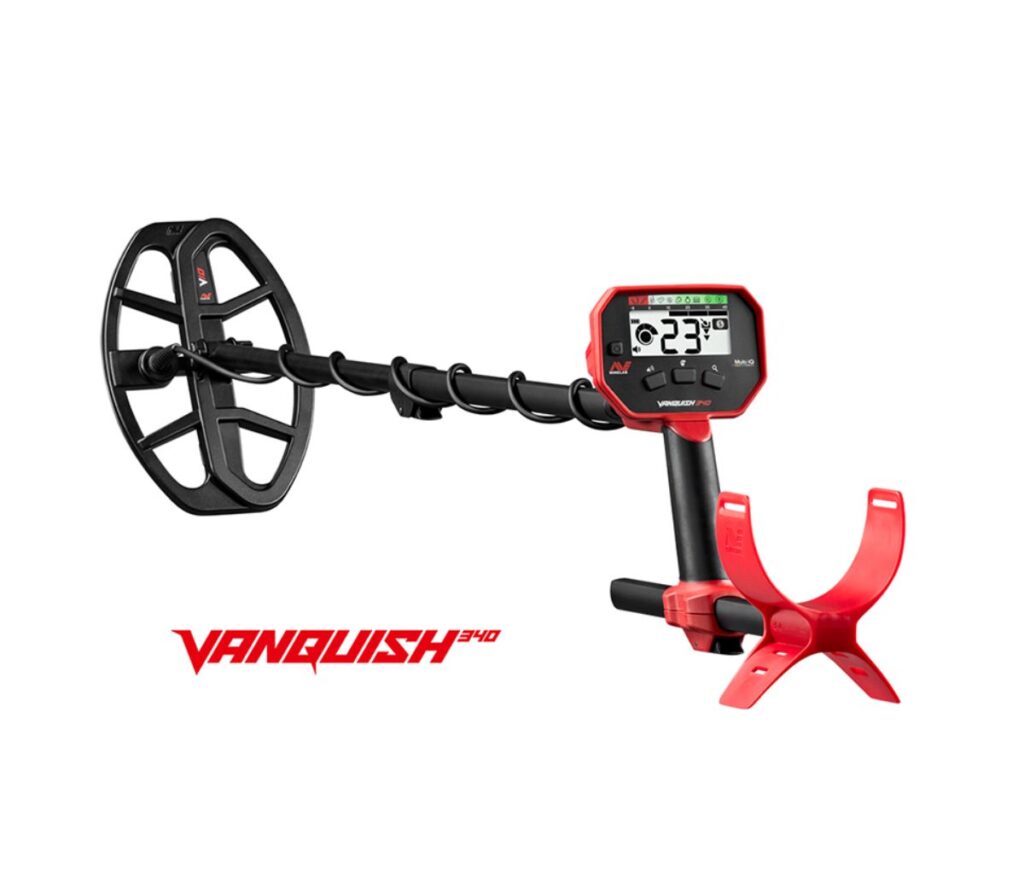
What Is Gold Prospecting?
Gold prospecting involves searching for natural gold deposits in rivers, deserts, mountains, and historic mining regions. While traditional techniques like panning still hold value, metal detectors now allow prospectors to locate gold that would otherwise remain hidden underground.
Small flakes, pickers, and even deep nuggets can be detected with the right equipment. Success depends on three primary factors:
Knowledge of gold-bearing areas
Proper technique
A high-quality metal detector
The third factor often determines whether a search produces results or frustration.
Why Metal Detectors Matter in Modern Prospecting
Gold rarely sits in plain sight. Over time, soil movement, mineralization, and vegetation conceal valuable deposits. A capable detector cuts through these obstacles and alerts you when metal lies beneath the surface.
Modern prospecting detectors offer:
Exceptional ground balancing
Sensitivity to tiny gold pieces
Depth detection capabilities
Noise reduction in mineralized soil
Accurate target identification
These features dramatically increase efficiency in the field.
Minelab has played a major role in advancing many of these technologies, helping prospectors search smarter instead of harder.
Understanding How Gold Metal Detectors Work
Before choosing a detector, it helps to understand the basic science behind it.
Metal detectors transmit electromagnetic signals into the ground. When the signal encounters a metallic object, it reflects back to the detector. The machine then interprets the response and alerts the user through sound or visual indicators.
Two primary technologies dominate gold prospecting:
Very Low Frequency (VLF)
VLF detectors operate at higher frequencies, which makes them extremely sensitive to small gold fragments. Beginners often appreciate their ease of use and affordability.
They perform best in areas with lower mineralization.
Pulse Induction (PI)
Pulse induction technology handles harsh soil conditions with impressive stability. Highly mineralized ground, hot rocks, and salty environments create fewer false signals.
Many serious prospectors prefer PI systems because they detect deeper gold deposits.
Minelab has refined both technologies, giving users tools that perform across diverse landscapes.
Why Choose Minelab for Gold Prospecting?
Choosing a metal detector represents a significant investment. Reliability, durability, and performance should guide your decision.
Minelab stands out for several reasons.
Advanced Technology
Engineers at Minelab focus on continuous innovation. Their detectors often incorporate multi-frequency capabilities, intelligent ground tracking, and enhanced sensitivity.
These advancements help users locate gold that older machines might miss.
Built for Tough Environments
Prospecting rarely happens on comfortable terrain. Rocky hillsides, scorching deserts, and remote riverbeds demand rugged equipment.
Minelab detectors are designed to withstand demanding conditions while maintaining consistent performance.
Precision and Depth
Gold varies in size, shape, and depth. A detector must adapt quickly to these differences.
Minelab machines deliver strong depth detection without sacrificing sensitivity to small targets.
User-Friendly Design
Complex tools can discourage beginners. Minelab balances advanced features with intuitive controls, allowing users to focus on the search rather than the settings.
Key Features to Look for in a Gold Prospecting Detector
Understanding essential features will help you choose a detector that aligns with your goals.
High Sensitivity
Small nuggets often generate faint signals. A sensitive detector ensures these targets are not overlooked.
Minelab detectors are engineered to detect even fine gold pieces, improving your chances of success.
Effective Ground Balance
Mineralized soil can produce misleading signals. Proper ground balancing filters out interference so real targets stand out clearly.
Automatic tracking simplifies this process and saves valuable time in the field.
Depth Capability
While surface finds excite beginners, deeper targets usually hold greater value.
A detector with strong depth performance opens new opportunities in areas others may have abandoned.
Lightweight Construction
Long prospecting sessions can strain your arms and shoulders. Lightweight designs reduce fatigue and support longer searches.
Comfort should never be underestimated.
Waterproof or Weather-Resistant Components
Unexpected rain or river crossings should not end your hunt. Durable construction ensures the detector remains functional in changing conditions.
Conclusion
Gold prospecting blends adventure, patience, and technology into one unforgettable pursuit. While success depends on knowledge and technique, the right equipment dramatically improves your chances of uncovering hidden treasure.
Minelab has earned global recognition by delivering metal detectors that combine innovation, durability, and precision. Their commitment to advancing detection technology allows prospectors to explore challenging terrain with confidence.
Whether you are searching riverbanks, deserts, or historic mining grounds, investing in a high-quality detector lays the foundation for rewarding experiences. Learn your equipment, research promising areas, and remain persistent.
The next signal you hear could lead to a discovery that transforms an ordinary day into an extraordinary story.