
Metal Detector in Jharkhand
Metal detecting is gaining momentum across India, and the state of Jharkhand—with its rich geological texture, historic sites, and abundant forest and riverine terrains—offers a promising landscape for treasure hunters and hobbyists alike. In this blog we’ll explore how you can harness the power of Minelab detectors in Jharkhand, why choosing Minelab makes sense, how to navigate local regulations, pick the right model, optimise your detecting outings, and finally wrap up with a conclusion to tie everything together.
Why Choose Minelab for Metal Detecting in Jharkhand?
When you’re venturing into terrains as diverse as Jharkhand’s—ranging from riverbeds to forest clearings, mineral-rich soil zones to relic-strewn historic landmarks—your detection equipment matters a lot. Here’s why Minelab stands out:
-
Advanced technology & proven heritage
The brand Minelab has over 35 years of expertise in designing metal detection equipment for hobbyists and professionals alike.
Their detectors use multi-frequency, ground balance, target discrimination, and other advanced features. -
Designed for challenging soils
Many parts of Jharkhand contain iron-rich soils, mineral deposits, and uneven terrains. Minelab detectors are engineered to perform in difficult environments. -
Wide product range for different user levels
Whether you are a beginner looking for your first machine, or an advanced detectorist seeking maximum depth and target separation, Minelab offers models spanning that range. -
Indian support & availability
The Indian website for Minelab lists models, accessories and service support – making it easier for users in India (including Jharkhand) to purchase, maintain and get parts.
In short: If you are serious about metal detecting in Jharkhand (for relics, coins, potential gold or general treasure hunting), using a Minelab machine greatly increases your chances of success and reliability.
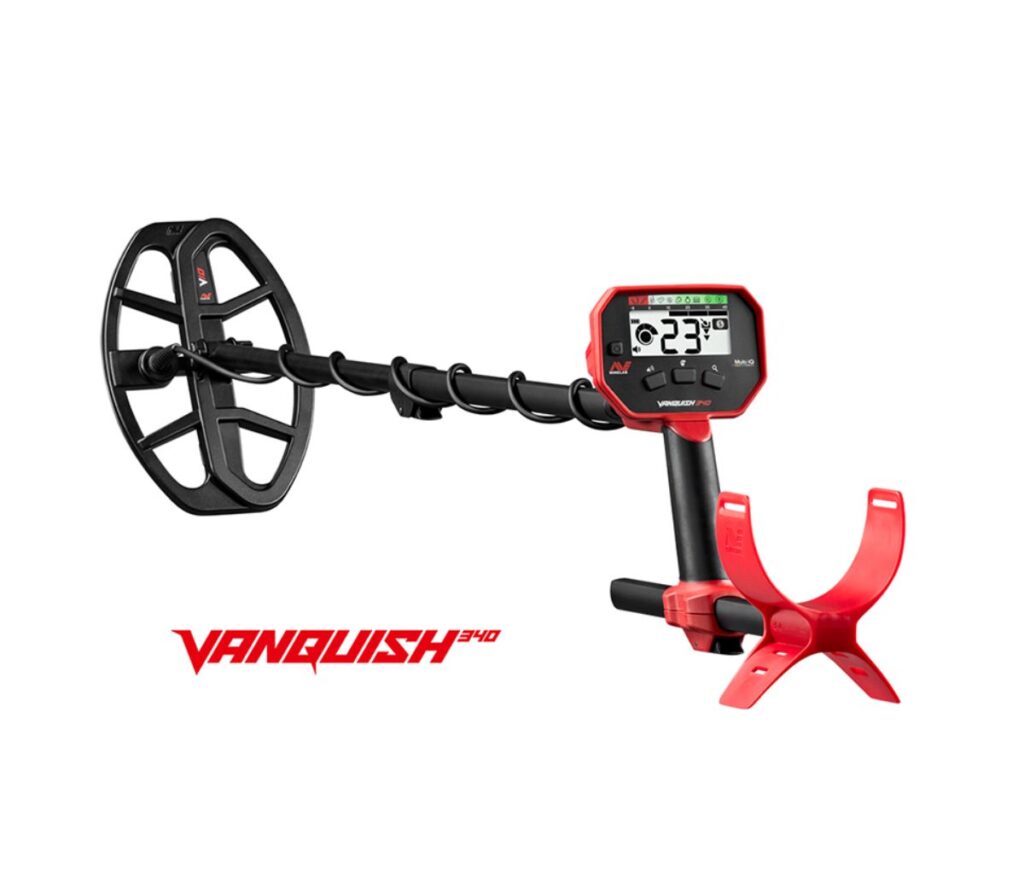
Understanding the Terrain & Opportunity in Jharkhand
Jharkhand is not a generic flat field scenario. It comprises forested uplands, rivers and rivulets, mining belts, and historic sites from tribal, colonial and ancient eras. Some key aspects:
Geology & mineral belts
Jharkhand is known for minerals like iron ore, copper, mica etc. While those are large scale mining operations, the presence of mineralised soils means metal-detector signals may be more complex (higher ground mineralisation, more “noise”). Hence a detector that can handle mineralised ground is beneficial.Riverbeds & alluvial zones
Rivers flowing through the state carry sediments. Old river-terraces or dried streambeds may hide relics, coins or jewellery lost or buried long ago.Historic settlement zones
From tribal structures to colonial-era sites and even older, there may be places where coins, relics or artefacts rest just beneath the surface.Forests & terrain challenges
Detecting in a forest setting means roots, dense vegetation, uneven ground and possible residual metal (old cans, fence wire etc). A quality detector helps discriminate junk from good targets.
Given this variety, you’ll want a detector that is versatile, ground-balanced, sensitive to small targets (for relics/coins) and also capable of going a little deeper (for perhaps hidden relic caches). That again points to choosing Minelab.
Getting Started: Legalities and Practicalities in Jharkhand
Before you go out detecting, it’s important to follow guidelines and be aware of local considerations:
Permissions & heritage laws
In India, some sites may be protected by the Ancient Monuments and Archaeological Sites and Remains Act, 1958 or by state laws. If you detect near officially-protected sites, you may need to obtain permits or restrict digging.Land-owner permission
If you’re detecting on private land in Jharkhand—farm fields, forest compartments etc—make sure permission is obtained from the land-owner or authorised forest department.Environmental care
When you dig targets, back-fill the hole properly, avoid damaging vegetation or trees, and follow the “leave no trace” principle.Mapping & research
Before heading out, do a little research: old maps, local history, river-terrace locations, mining offset zones. This increases your success.Safety first
Some areas may be remote. Take appropriate safety gear, inform someone of your location, watch for wildlife, and keep mobile connectivity or backup.Local climate & season
Jharkhand has a monsoon. Post-monsoon and winter months might be more comfortable for detecting. Wet ground may affect detection depth and soil conditions.
By taking these steps, you’ll not only comply with regulations but also make your detecting session efficient and respectful of the land.
Detecting Strategy: How to Explore Jharkhand with Your Minelab Device
Once you’ve chosen your Minelab detector, the next step is to plan your outing and execute with strategy. Here are steps and tips tailored for Jharkhand.
Pre-trip planning
Research your location: Use topographic maps, old settlement records, aerial images if possible. Look for old river shifts, abandoned mining zones, or historic village sites.
Check permissions: As mentioned earlier, ensure you have land access and necessary permissions.
Check weather & terrain conditions: Post-monsoon soils may still be saturated, leading to more interference. Choose dry or mildly moist soils if possible for better detection.
Pack the right gear: Comfortable footwear (for rough terrain), gloves, small digging tool, back-fill bag, spare batteries, digging bag, water, first aid kit, mobile along with charger/portable power bank.
On-site tactics
Sweep technique: Use smooth, overlapping sweeps of the coil, keeping it close to the ground (but not brushing aggressively). Especially when using a model like the Minelab Manticore, maintain consistent coil height for best results.
Set the machine correctly:
Ground balance based on the soil.
Set discrimination to filter out unwanted junk metal.
Adjust sensitivity so as not to get too many false signals, but not so low as to miss good targets.
Mark promising signals: When you get a good signal, mark it with a small flag or stake; if many signals appear, note patterns (e.g., multiple signals in a row may suggest a buried object or cluster).
Dig responsibly: Once you decide to dig, do so carefully. Remove target, back-fill hole, tidy the area.
Record finds: Keep a small log: location, depth, target size/ID, composition (if identified), date. Over time you’ll build your own dataset of productive spots in Jharkhand.
Special Jharkhand-specific tips
River terraces and dry streambeds: Many ancient activity zones lie along old water flows. These may yield coins, jewellery, relics. Use a Minelab detector with good depth for such spots.
Mining-adjacent zones: Areas near old/mined mineral belts may have residual metal debris (junk) but also may hide lost items from past workers. Be prepared for more “junk” signals; use good discrimination.
Forest clearings or abandoned settlement edges: Sometimes old village outhouses, boundary fences or trash pits leave behind metal artefacts. Walking grid style in clearings can pay off.
Wet or near-water terrain: If you detect near rivers or streams, a waterproof coil or model helps. Also be aware of safety (unstable banks, slippery surfaces).
High-mineral soils: Mineralised soils can create false signals or erratic behaviour. Here the good ground-balance and multi-frequency capabilities of Minelab machines shine.
Maintenance & care
After each outing, clean the coil and shaft, remove any mud or debris, check for wear.
Replace or recharge batteries; keep spares.
Store your detector in a dry, safe place.
Update firmware if your model supports it.
Be mindful of wear and tear—especially in rough terrain or dense undergrowth.
Conclusion
In summary, Jharkhand offers a fascinating and rich terrain for metal detecting enthusiasts—from river terraces to forest clearings, from mineral-rich soils to old settlement zones. To make the most of that opportunity, choosing the right equipment matters and the Minelab range delivers the reliability, technology and support you’ll need.
Whether you are just starting out with a GO-FIND model in simpler terrain, or you’re ready to commit to deeper relic hunting with the Manticore, there is a Minelab solution for your goals. Make sure you plan your outing carefully—research the site, check permissions, respect the land, and maintain your equipment. Over time, as you develop skill, you’ll find that your Minelab detector becomes more than a tool—it becomes your partner in the exploration of Jharkhand’s hidden depths.
Gear up, choose your Minelab model wisely, and set out into Jharkhand’s landscapes with confidence. Who knows what hidden treasures—and stories—you might unearth beneath the earth. Happy detecting!