
Gold Metal Detector in Rajasthan
Rajasthan, India’s land of majestic forts and sweeping deserts, also harbours a lesser-known treasure: hidden gold deposits. From the ancient mining footprints around Alwar to stream beds in Udaipur’s hinterlands, the “Golden Frontier” of Rajasthan calls. For treasure hunters, hobbyists and semi-professional prospectors alike, penetrating that frontier demands more than gut instinct and a spade — it requires technology built for the challenge. Enter the brand-name leader: Minelab — a company whose metal-detection solutions are engineered for detecting gold in mineralised terrain.
Why Rajasthan is a Gold Prospecting Hotspot
Rajasthan’s geological and historical credentials make it one of India’s most interesting landscapes for gold prospecting:
Geological potential: The Aravalli and Vindhya mountain terrains, combined with ancient river and creek systems, have created mineral-rich zones where gold has historically occurred, often as small nuggets or gold-bearing quartz veins.
Historical gold mining: Parts of Rajasthan were known in ancient times for gold and copper mining. Remnants of old workings, indigenous knowledge and local lore still persist.
Accessibility and diversity: Unlike remote jungle or high-altitude terrains elsewhere in India, many prospecting zones in Rajasthan are accessible. Dry creek beds, mineralised soils and variable terrain provide varied opportunities.
Underground detection advantage: Many modern machines can detect gold that lies deeper or in complex ground conditions. With the right gear, the prospects improve.
Legal and practical considerations: While prospecting must respect laws around heritage and mining rights, hobby-prospecting on private or permitted land is possible. With permissions and good practice, the terrain becomes accessible to serious hobbyists.
Because the ground in Rajasthan is often highly mineralised (which interferes with standard detectors), choosing the right machine becomes critical.
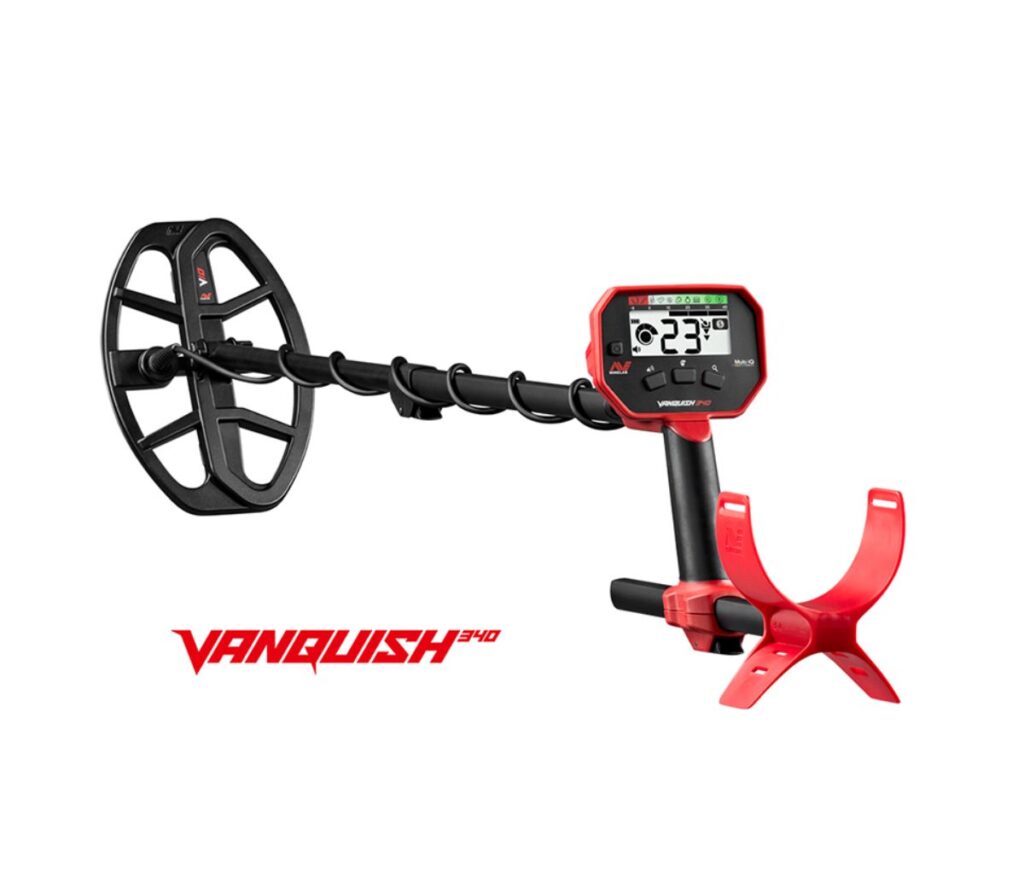
Choosing the Right Minelab Detector for Rajasthan
Not all detectors are created equal. Here are key factors to consider — and how Minelab helps you meet them:
1. Terrain and ground mineralisation
Rajasthan’s terrain often contains iron-rich soils and heavy mineralisation. In such conditions you want a detector that offers:
Auto or manual ground balancing to adapt to mineralised soil.
High frequency or multi-frequency operation to detect small gold nuggets.
Good discrimination so you avoid digging excessive junk metals.
Minelab models built for gold specifically offer features such as Auto Ground Balance, high frequency (e.g., 45 kHz) and “Gold Mode” settings.
2. Signal penetration and nugget size
Gold in Rajasthan might appear as small flakes, nuggets or in quartz veins. A detector with good depth penetration and sensitivity to fine gold is essential. Minelab’s “Gold” series (e.g., Gold Monster models) address precisely that.
3. Versatility and usability
Given the mix of terrain — desert, creek beds, scrub, old workings — you may need to switch between detection modes (relics, coins, gold). A good detector allows mode switching while still offering dedicated gold detection. Many Minelab models combine general-purpose detecting with gold-specific modes.
4. Local availability of support and accessories
In Rajasthan, remote or difficult terrain is common. So service-ability, availability of coils and accessories, and local dealer support matter. Thankfully, Minelab has Indian dealer listings and products in Jaipur and Rajasthan-region.
5. Budget vs performance
Prospecting gold is an investment. Entry-level detectors may work if you are beginning and the gold is chunky. But for deeper or fine nuggets in mineralised terrain you’ll want premium tooling. The local Indian guide suggests entry level detectors start around ₹40,000 while high-end gold machines can go up to ₹8,00,000.
Practical Tips for Gold Prospecting in Rajasthan with a Minelab Detector
Here are field-tested best practices tailored to Rajasthan and using a Minelab device:
Research your site
Check old mining records, local legends, creek beds, alluvial deposits.
Seek landowner permissions; respect heritage sites and protected zones.
Visit during early morning or cooler hours; terrain may get harsh in midday.
Adapt for mineralised soil
Use the ground balance function of your Minelab detector: auto or manual as required.
In highly mineralised areas, narrow the discrimination to avoid false signals.
Slow your sweep pace; in tricky ground slow sweeps cause fewer false triggers.
Use appropriate coil size
Larger coils cover more ground and provide deeper penetration but may pick up more “noise”.
In creek beds or scrub terrain a small to medium coil may be better for manoeuvrability.
Minelab models offer coil-options; choose based on the terrain you expect.
Sweep technique and angle
Keep the coil parallel to ground and maintain consistent height.
Slight overlap each sweep helps ensure no ground is missed.
In a desert-creek terrain like Rajasthan you might need to adapt to slopes, rocks and desert sand.
Recording and mapping
When you get a signal, mark the spot with GPS or note landmarks — it helps for return visits.
Keep a field journal: date, location, soil type, detector setting, results. Future hunts get more productive if you build data.
Dig carefully and respect nature
Use a digging tool suitable for compacted Rajasthan soil; fill holes after digging.
Always rebury removed surface layers when possible; leave the site neat.
Carry water, sun shelter and appropriate clothing; Rajasthan terrain can be challenging.
Maintenance and care
After each session, clean your detector (especially coil) from dust, sand, moisture.
Store in a dry place. Update firmware if your Minelab model supports it.
Challenges and Legal Considerations in Rajasthan
While Rajasthan offers excellent opportunities, there are real challenges and legal aspects you must consider:
Terrain difficulty: Some prospecting zones are remote, rocky, heavily mineralised or deep in scrub. You’ll need physical stamina, logistical planning and field gear.
Land access and permissions: Many areas may require landowner permission, mining leases, or may lie in restricted zones (forest, archaeological sites). Always verify local jurisdiction.
False signals and junk metals: Rajasthan’s soil may carry high iron content, discarded relics, old mining waste etc. A capable detector (like Minelab) helps but you must prepare for noise.
Environment and ethics: Digging indiscriminately is discouraged. Respect the environment, local ecology and cultural sites. Fill your holes, avoid damaging flora/fauna.
Return on investment: Gold prospecting is never guaranteed. Even with a top device, success depends on location, skill, patience and conditions. Think of it as an investment in exploration rather than guaranteed yield.
Why Localised Strategy Matters
Using a world-class detector is only part of the equation; tailoring your strategy to Rajasthan’s unique conditions amplifies results:
Time of year: Post-monsoon dried creek beds may expose nugget-bearing soil. Cooler months (winter) make field work more comfortable.
Micro-terrain observation: Watch for signs like quartz outcrops, old diggings, creek bends where gold can accumulate.
Target size awareness: In Rajasthan you may find small flakes rather than big nuggets; your detector settings must reflect that (sensitivity high, discrimination tight).
Coil choice for sandy or rocky ground: If you are hunting in creek beds with rocks and sand, you might choose a smaller coil for better manoeuvrability; whereas in flatter sandy terrain a larger coil might speed coverage.
Local network & community: Joining local prospecting groups (even informally) helps. Share knowing of land conditions, permissions and successful sites.
Conclusion
Prospecting for gold in the heart of Rajasthan is an adventure lined with promise — but only those who equip themselves wisely will unlock the full potential. With the right blend of terrain knowledge, field strategy and high-quality detection gear from Minelab, you tilt odds in your favour. Whether you’re following old miners’ traces, exploring creek beds after monsoon, or scanning desert washes at dawn — the key remains the same: preparation meets performance.
By investing in the right Minelab detector, adapting your approach to Rajasthan’s unique landscape and playing by the rules of field ethics and permissions, you stand ready for a rewarding journey. The golden frontier awaits — and with the right machine, your next sweep might just uncover more than you expected.